Turning the Tide… It Starts With YOU
Plastic is polluting our planet, knowing no boundaries, plastic pollution is killing our wildlife, choking our oceans, and finding its way into every inch of human well-being. Plastic pollution is a wicked problem, it’s a social and cultural problem that has been engrained in how societies believe they can successfully operate in this world. Plastic production has increased from 15 million tones to 311 million tones in just the last five decades and is expected to triple by 2050[1]
Staggering statistics like the ones below call for individual action and fast:
“51 trillion micro plastic particles – 500 times more than stars in our galaxy – litter the seas.”
“According to estimates, by 2050, 99 per cent of earth’s seabirds will have ingested plastic”
“According to estimates, by 2050, oceans will have more plastic than fish if present trends are not arrested.”[2]
Our seemingly small actions can make a large difference in the realm of the plastic problem.
In order to combat plastic pollution, it is up to each individual to change their everyday behavior. It is in no way, shape, or form our generations faults for being so reliant on plastics, as this is due to the world we were born in. One that emphasizes constant consumerism as capitalism encourages this for increased profit. However, our generation is not blind to the externalities and consequences of constant consumerism. What we buy is all too often packaged with plastic, made from plastic, and has a single use life span. Individuals have the power to make a choice, a personal choice, every single day: consciously consume- take a little more time to each day to make decisions regarding plastic by seeing through a lens of sustainability. These choices could be as simple as saying no to plastic straws at restaurants, to bringing your own glass jars to your favorite smoothie joint, to investing in companies and initiatives that fund innovative ideas, startups, and systems that aim to solve plastic pollution.
We can adapt our ways, mitigate, or transform our lives in respect to the epidemic of plastic pollution.
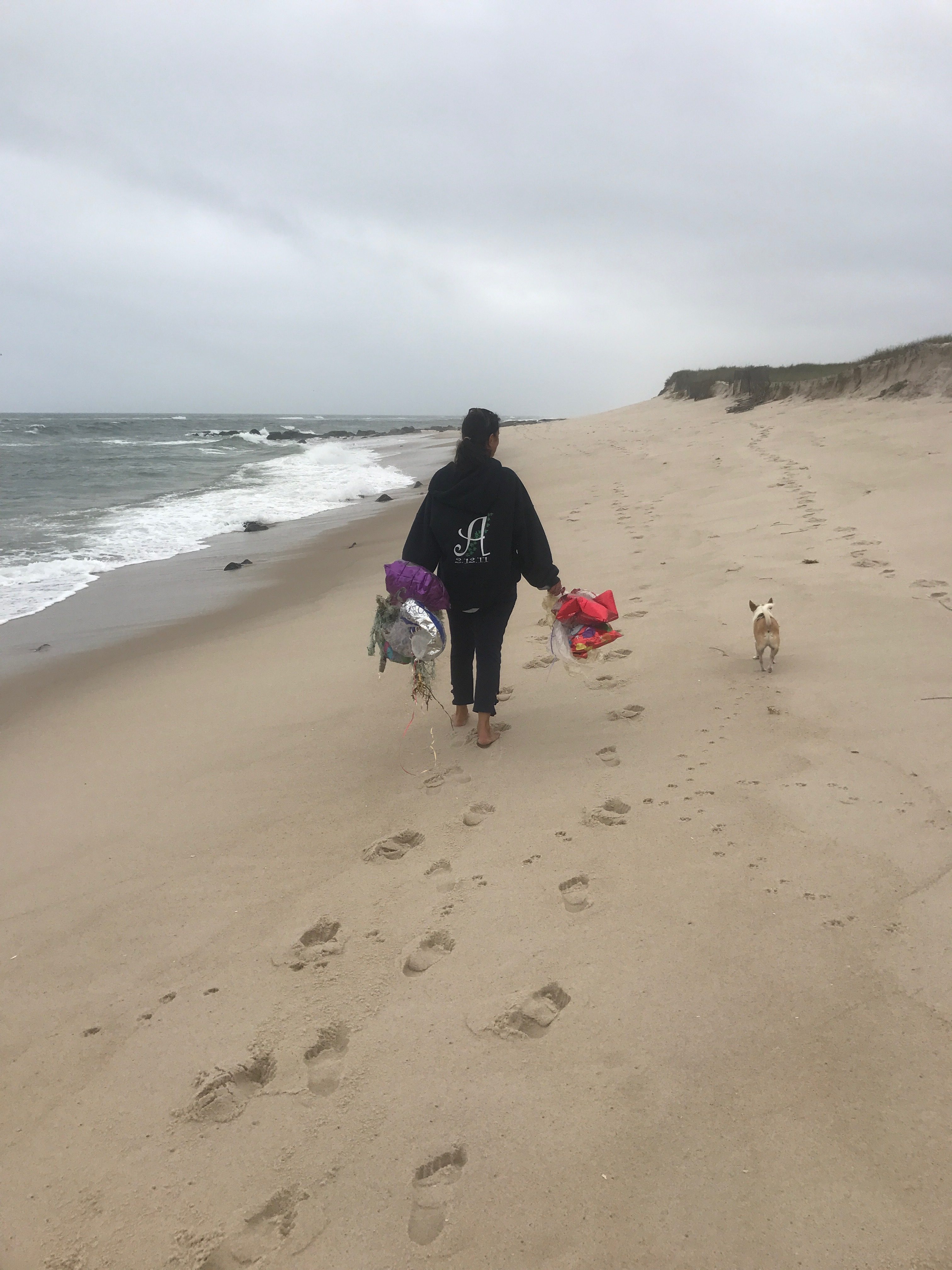
ADAPTATION-tackling the consequences: Beach cleanups will help clean up the plastic and other trash that wash up on our beaches. You can organize your own beach cleanup like I did in conjunction with local businesses. You can more simply do your own individual beach clean-up whenever you are at the beach too!
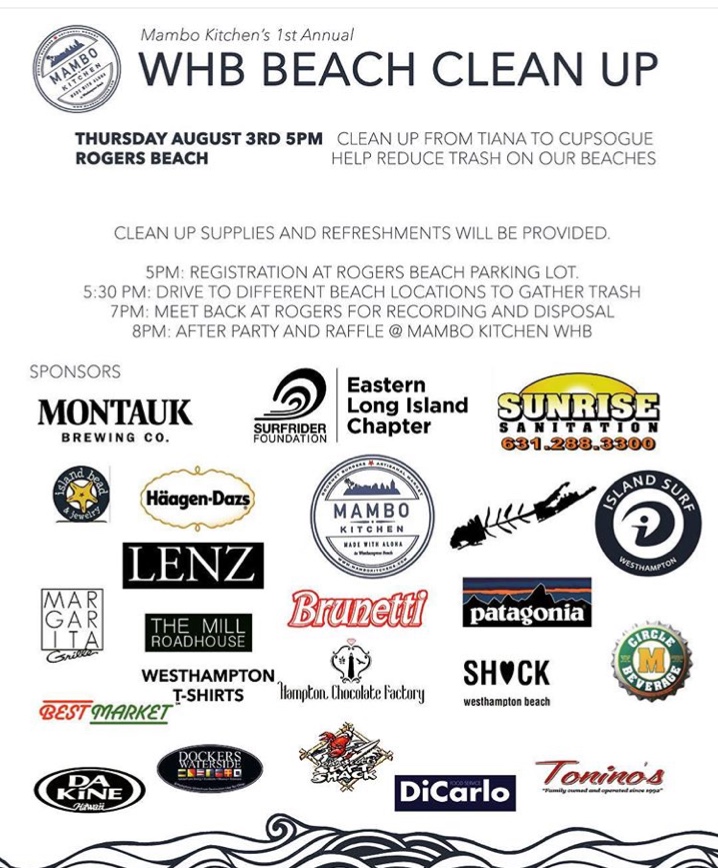 This is the flyer used in my local beach clean-up and here is my mom and dog, Miles, last week doing their own individual beach clean-up.
Here is a link with tips for organizing your own local beach cleanup!
https://oceanconservancy.org/trash-free-seas/international-coastal-cleanup/start-a-cleanup/
MITIGATION: reducing your use, consumption of plastics
- support restaurants that have pledged to go plastic free
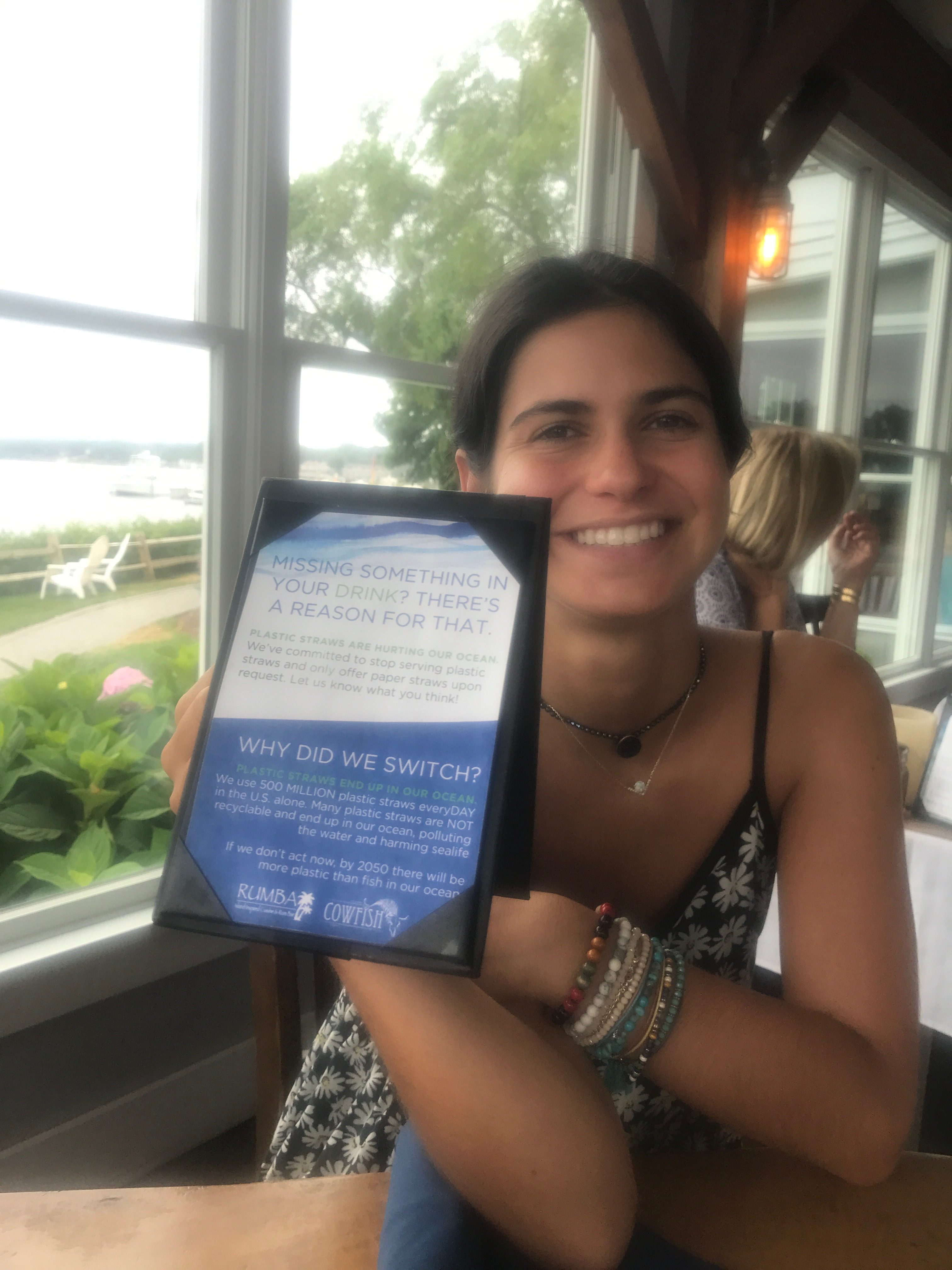 Here is a picture of me supporting a local restaurant that pledged to go strawless this past summer!
- Research products before buying them to see if they contain microplastics.
-use this link which is a comprehensive list of products that contain microplastic ingredients. It is based on each country and with such a detailed list, it will allow you as a consumer to make the conscious choice to refrain from buying a product listed to have micro plastics.
http://www.beatthemicrobead.org/product-lists/
- Invest in a reusable water bottle! They are BPA free and keep your drink colder than the regular water bottle!
- reduce plastic bag consumption and bring your own reusable bags!
–there are an abundant number of options, colors, customized individualized bags that you can use which are fun, fashionable, and can be made from recycled materials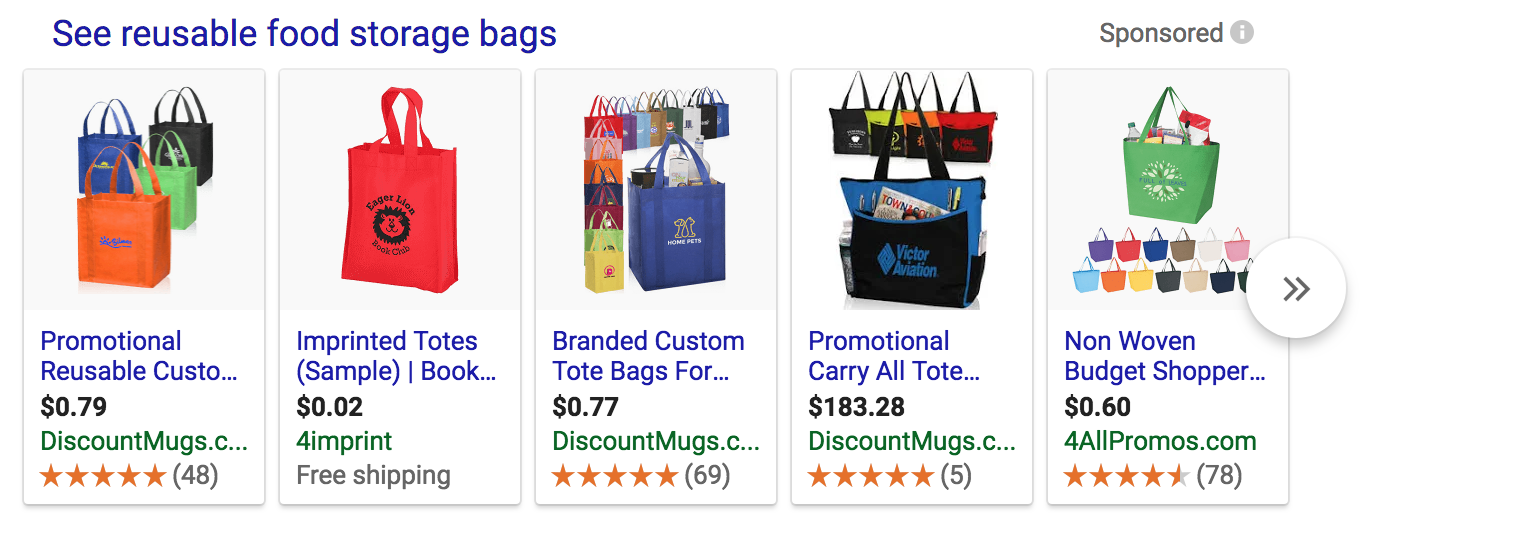
- With new legislation and states agreeing to policies that discourage plastic bag use by taxes or a ban altogether, people are encouraged to alter their use of plastics. Regulating the use of plastics through monetary incentives is effective but in regard to our sustainability definition, it would be more effective if reusable bags and other alternatives were economically feasible for ALL people to invest in. Luckily, they make pretty inexpensive reusable bags now a days which can make this alternative available for more of the masses.
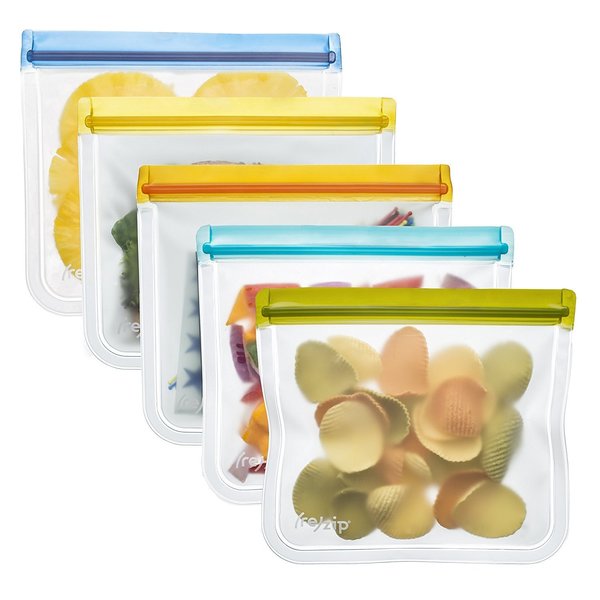
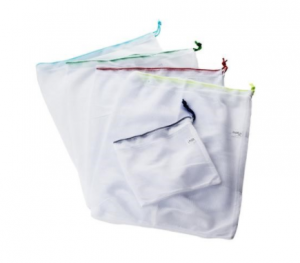
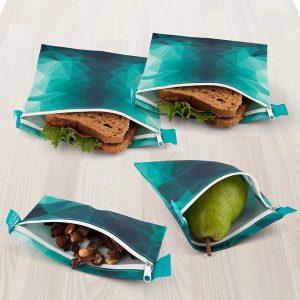
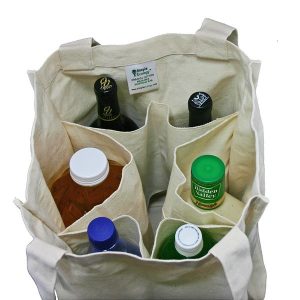
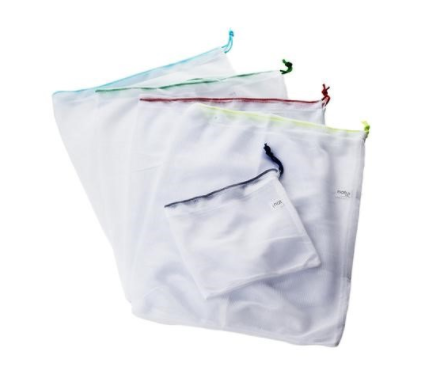
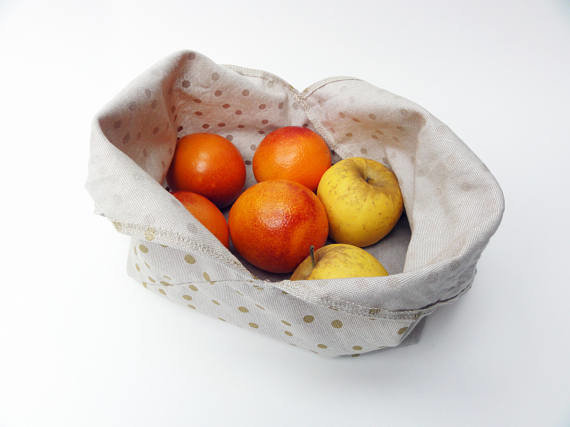
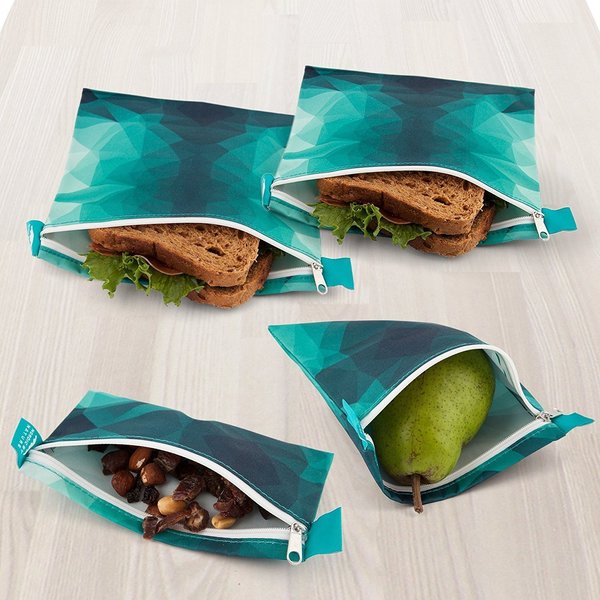
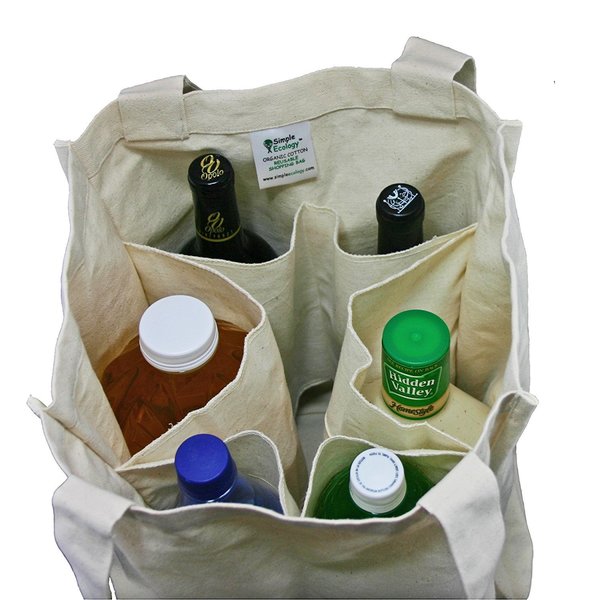
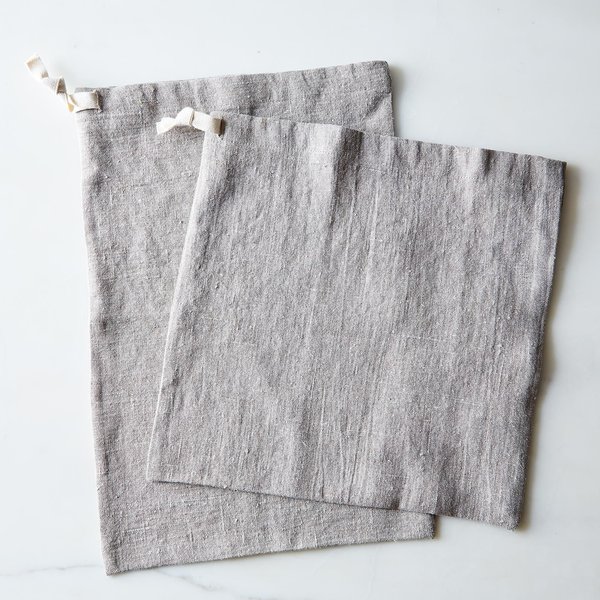
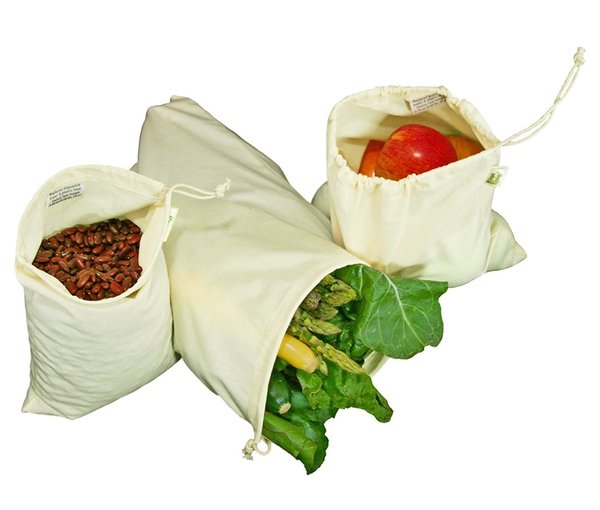
Here are just 7 alternatives to plastic bags:
- Rezip bag
- Reusable produce bag
- Zero Waste Bento Bag

- Easy open sandwich bags
- Organic cotton grocery bag with sleeves
- Linen bread bags
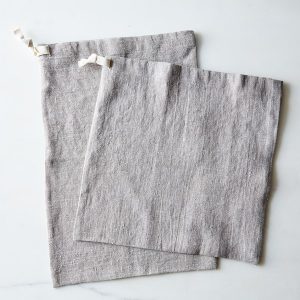
- Muslin produce bags
TRANSFORMATION: Our everyday lives consist of habitual behavior that often become the normal way of life. The hardest thing to do is recalibrate our brains into not only consuming, but thinking in sustainable terms. This is the most sustainable solution in terms of our definition of sustainability to make a long term impact on the environment.
- Educate yourself and others!
-Use social media like Facebook, twitter, Instagram to both research and educate yourself with the problem of plastic pollution but also the alternatives and solutions happening all around right at your fingertips!
-Use social media as an outlet to SHARE this information, this will allow others insight and knowledge on a significant issue that may not be at their forefront.
-Twitter is a great example on finding information on plastic pollution news and information! Use the hashtag #plasticfree #strawless summer #saynotoplastic and you will find lots of relevant information!
- Innovation
-The Ocean Clean Up is an organization that has developed a passive system that uses the oceans natural forces to catch, concentrate, and collect the plastic. The Ocean Clean up is making remarkable strides in combating plastic pollution by entering in the largest initiative for ocean cleanups in history. Share this news with others, it will captivate, inspire, and shed light on these issues! Here is a link to how this technology works https://www.theoceancleanup.com/technology/
In regards to our definition of sustainability, transformation and mitigation actions seems to be most closely aligned with our requirements for something to be deemed sustainable. Because mitigation actions such as using reusable bags and bottles minimize single plastic use, less plastic is entering the environment, and less oil and natural resources are being used to make plastics if less is demanded. In addition, reducing plastic mitigates climate change which is a goal for something to be sustainable. In addition, transforming one’s habits is economically feasible because it saves people money in the long run and prevents further exploitation of the environment. By transforming our habits and mindsets and thus behavior we are able to better and more efficiently reduce our plastic use and prevent microplastics from entering the oceans and ultimately the fish we consume which elevates our human health!
Sources
https://www.theoceancleanup.com/
http://www.ncsl.org/research/environment-and-natural-resources/plastic-bag-legislation.aspx
http://www3.weforum.org/docs/WEF_The_New_Plastics_Economy.pdf
[1] https://news.un.org/en/story/2017/02/552052-turn-tide-plastic-urges-un-microplastics-seas-now-outnumber-stars-our-galaxy#.WLA81BLyvBJ
[2] https://news.un.org/en/story/2017/02/552052-turn-tide-plastic-urges-un-microplastics-seas-now-outnumber-stars-our-galaxy#.WLA81BLyvBJ
