 Recycling vs Sustainability
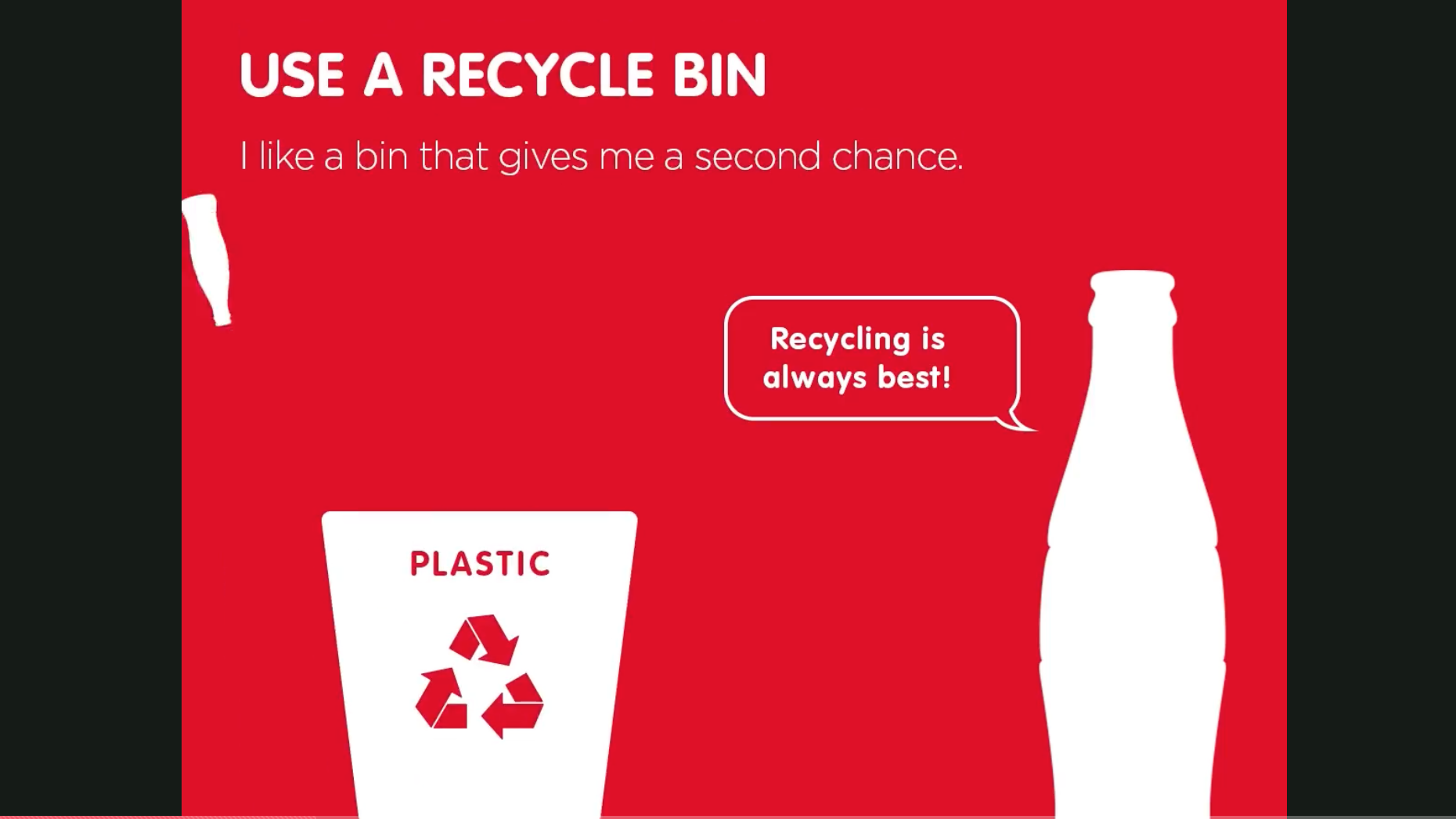
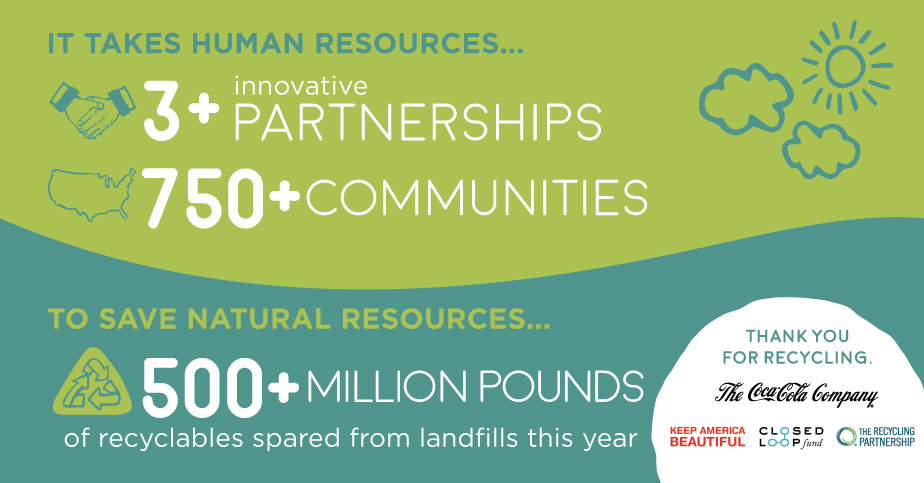
Coca-Cola is attempting to tackle the issue of plastic pollution with its campaign #WasteFreeSA where the multibillion dollar company is trying to achieve its goal of reducing plastic pollution through its initiative World Without Waste. The company’s goal is to recycle what would be equivalent to 100% of the company’s own plastic packaging by 2030.[i] Essentially the company wants to collect and recycle a bottle for each bottle it sells.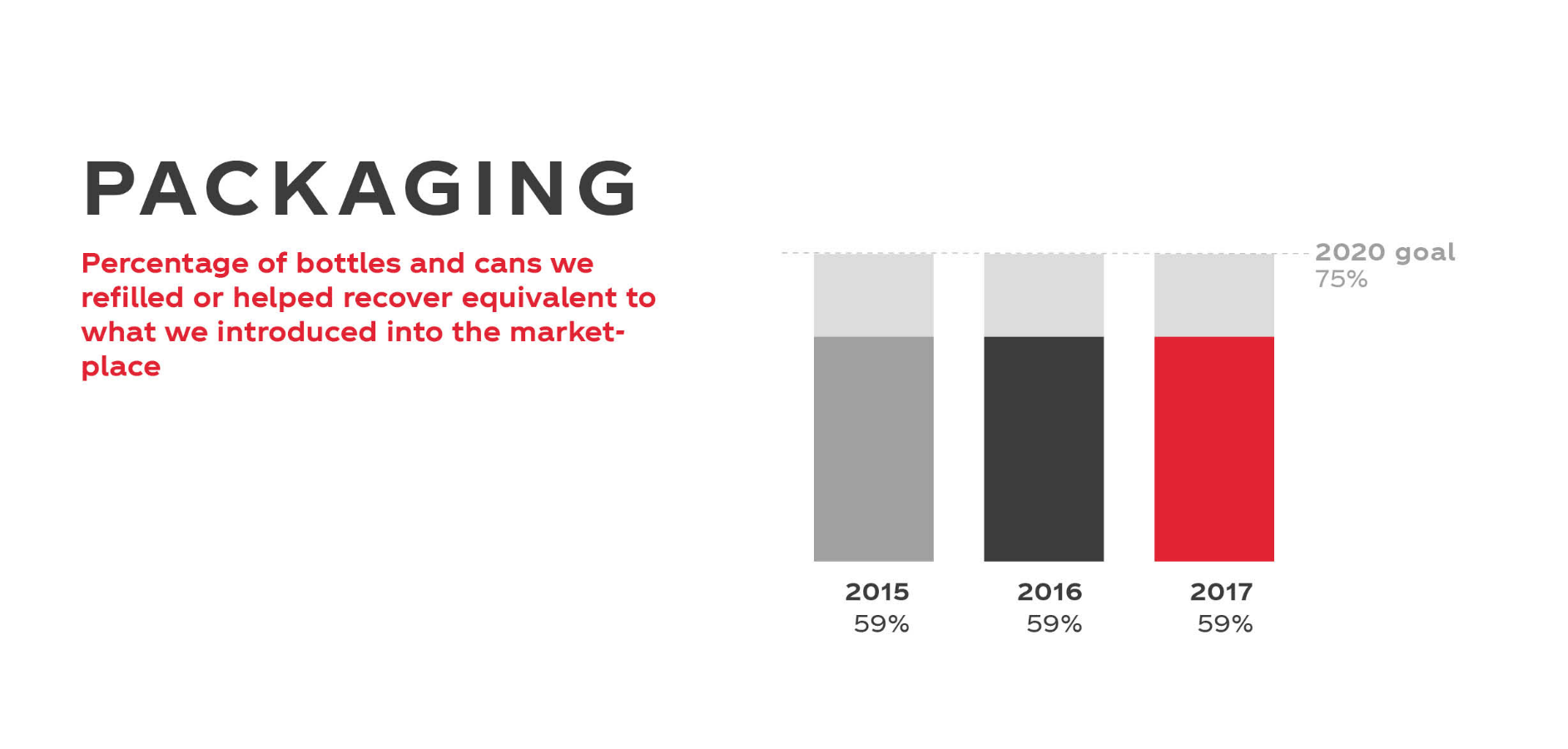 Coca-Cola is partnering up with other bottling companies to redesign their bottles into ecotwist bottles, which are bottles that can more easily be compressed and recycled, while taking up less space in the recycle bin itself. With the Recycling Company, PETCO, over two billion bottles were recycled in South Africa in the year of 2017[ii], this leaves more landfill space and saves natural resources.
Although the action of recycling shows that there are efforts being taken to reduce waste, Coca-Cola itself is not changing its own company’s business model to use less plastic or no plastic at all. Recycling does not discourage plastic use or manufacturing and it is an adaptive response to an environmental problem rather than transformative which would be more sustainable. Yet viewing plastic as a reusable resource rather than single use waste is better than dumping the plastic into landfills or oceans. What would be more sustainable would be an alternative to plastic packaging, single use products. For example, Coca-Cola could be investing in research to develop a new eco-friendly alternative to plastic like an algae biodegradable material that can be just as flexible and durable for plastic bottles/packaging. An alternative to plastic would meet our sustainable criteria, but simply recycling plastics does not maximize resource use because plastic is still being produced and using up fossil fuels to make it. The company should switch back to glass bottles which are at least a better alternative than plastic.
Because plastic has so many negative consequences like requiring fossil fuels for manufacturing, releasing toxic chemicals into fragile ecosystems and increasing our planets carbon footprint, glass bottles at least require a natural mineral, sand, and it can be more easily recycled. Plastic waste may be minimized through this initiative but natural systems are not being restored or protected through Coca-Colas current plan. If the company wants to come closer to meeting the definition of sustainability, then projects and ocean cleanups should be funded as well as new technology solutions to help take out the plastic choking the ecosystems especially the oceans. For example, projects such as the Ocean Clean Up uses innovative technology to concentrate and take out the plastic of the Great Pacific garbage patch.
Furthermore, while it is great for a company to start its initiative anywhere on the globe, why isn’t Coca-Cola promoting this initiative in the US where more plastic is discarded than in places like South Africa?
In terms of elevating human well-being and ethical economic development, Coca-Cola is meeting some of these sustainable standards. Its partnership with Riverside Incubation Hub local women entrepreneurs who produce packaging material and other products from recycled material are being trained[iii]. The new recycling facilities created with the help of Coca- Cola and PETCO has created an estimated 1,500 new income opportunities promoting more equitable opportunity in Africa. In addition, Coca-Cola’s #5by20 initiative is designed to enable the economic empowerment of 5 million women by 2020. The goal of #5by20 is to help women entrepreneurs overcome barriers they face within their communities. So far, the program has reached over 2.4 million women in ov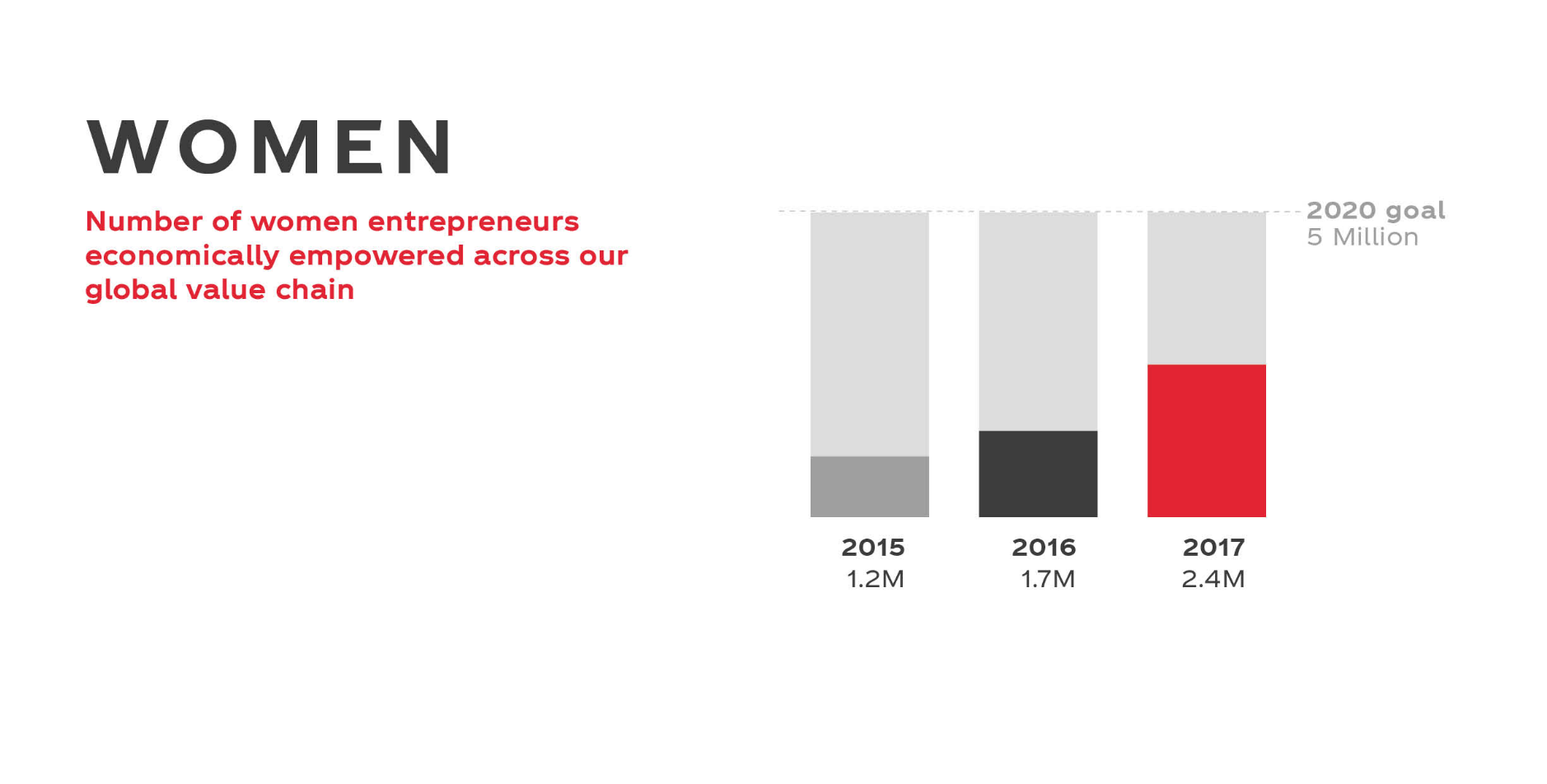 er 75 countries and has connected these women and addressed the challenges these women face by providing accessible resources both online and offline. In our definition of sustainability, improved health and equitable access to basic human rights is a goal providing women with resources for training and a potential income could provide for better opportunities, income, and thus improved access to healthcare and basic human rights.
Here is the campaign video below:
[i] https://www.coca-colaafrica.com/stories/fighting-plastic-pollution-on-world-environment-day#
[ii] https://www.coca-colaafrica.com/stories/fighting-plastic-pollution-on-world-environment-day#
[iii] https://www.globalcitizen.org/en/content/south-africa-waste-free-coca-cola-plastic/
