RECOMMENDATIONS FOR FUTURE ACTIONS!
Plastic pollution is a massive issue that sometimes seems overwhelming when one thinks about solving this issue. However,it is one that we should not be scared away from, rather, we should be motivated and inspired by other countries, states, and cities that are combating this issue through implementing policies, regulations, and specifically bans on plastic bags.
After spending the semester at Muhlenberg College researching the problem of plastic pollution in our oceans and taking the systems thinking approach when analyzing the different stakeholders, barriers,limitations, and possible solutions, a campaign for change seemed to be a feasible and plausible solution to limit, deincentivize, and decrease the amount of plastic bags consumed. Because I have a such strong connection to my home, focusing on Long Island, specifically Nassau County is the right place for the campaign for change to begin. Long Island is surrounded by water and coastal waters are choked with plastic. According to the Long Island Sound Study, floatable debris in the open waters LIS “accumulate along with detached seaweed and marsh grass into large surface “slicks.”. [1] Not only is the plastic harming wildlife by entangling, suffocating or starving wildlife, but it is also causing economic harm. In the summer of 1988,Long Island took a huge hit to its economy, an estimated 1- 2 billion dollars of economic losses due to a decline in seafood, restaurant, and beach tourism because of fears regarding the floatable debris news[2].Long Island Sound is also home to many boaters and plastic bags have been cited as clogging and blocking the engines of boats, causing damage to the boats and inhibiting recreational activity and hazards for boaters.
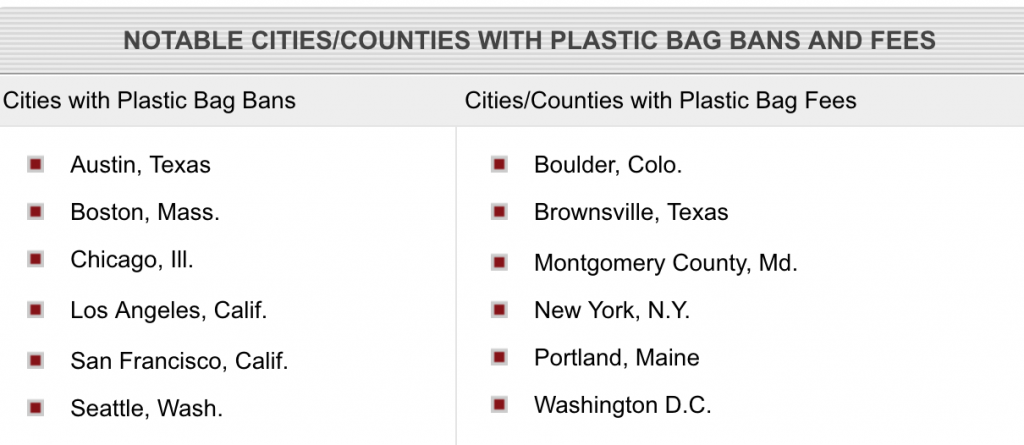
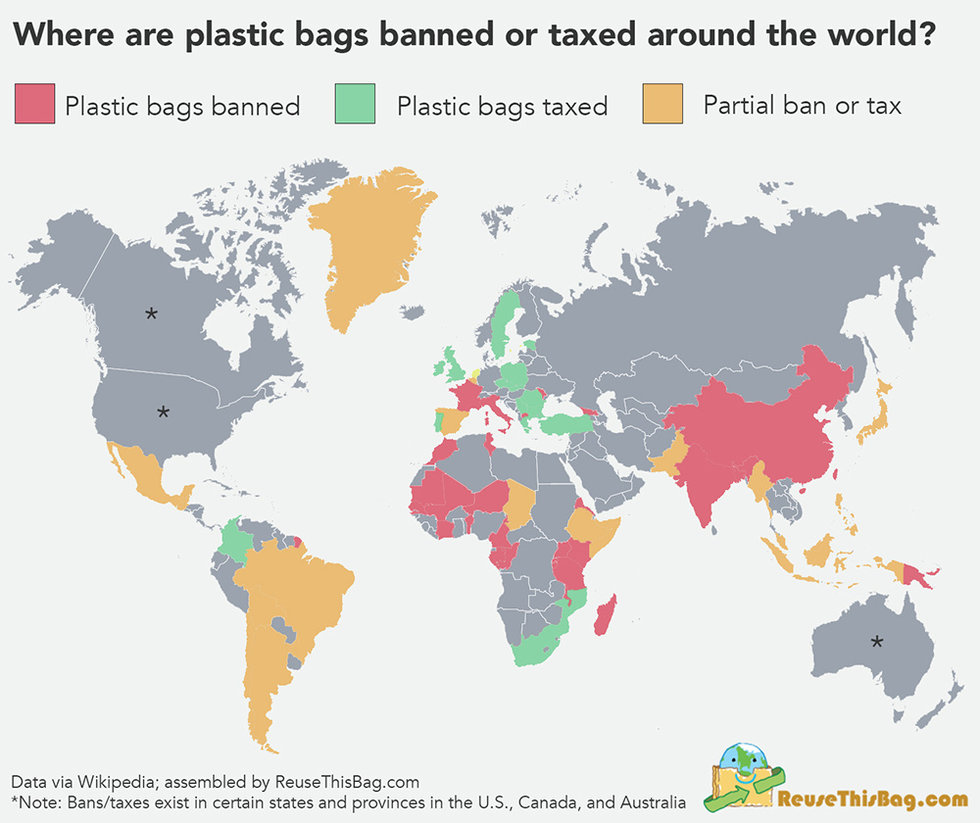
In order to take a step in the right direction and decrease some of this floating debris, banning or taxing plastic bags in the county could help solve this issue. Other cities around the globe have effectively combated the plastic bag issue by implementing bans on bags. For example,Australia has cut 80% of plastic bag consumption in just three months equivalent to 1.5 billion bags from being used[3].The bans happened at the retail level, two large supermarket chains, and not through the federal government. California is also the first US state to implement plastic bag ban at large retail stores. A 10 cent minimum charge is also part of the legislation for a recycled paper bag, reusable plastic bags or compostable bags at specific locations[4].It is important to note that the legislation only passed with a 52 percent vote which highlights the divide in perspectives on plastic bag bans. Moreover, 32 countries have bans in place on plastic bags. It has also been cited that plastic bag fees have decreased the consumption of bags from 50-90% in the international level. This is due to the high fee of 50 cents-70 cents. It is evident that plastic bag bans and fees are working at reducing the amount of plastic bags consumed. Therefore, it is both necessary and feasible for Long Island to do the same.
Plastic bags cost American businesses an estimated $4 billion dollars each year. Further, 100 billion single use plastic bags are used each year in the US. The average American uses 1,500 of these bags (Department of Environmental Conservation). Nassau County has over 1.4 million residents and (United States Census Bureau). If each resident in the county consumed this average each year than 2,100,000,000 bags would be entering the waste stream each year. Therefore, it is vital that Nassau County get on board with solving plastic pollution by decreasing the consumption of single use plastic bags. With a plastic bag ban and increased education bringing awareness to the issue,plastic bag consumption would decrease significantly in Nassau County. In order for a bill to be passed, there needs to be public support from the people in Long Island to call upon policy changes to occur. By partnering up with the New York State Plastic Bag Task Force, a comprehensive plan to do the following four step process should occur.
- Assess the plastic bag footprint (the average bag consumption) of Nassau county shoppers and businesses through online questionnaires and in person surveys.
- Introduce educational campaigns and posters across the county before,during, and after the legislation is enacted.
- Develop a comprehensive list of affordable alternatives to single use plastic bags. Call for the task force to meet with a diverse group of stakeholders multiple times before writing a plastic ban bill.
- Implement a bill that bans plastic bags from being sold at large retail stores. For businesses that are not listed under the ban, plastic bag tax should be charged(10 cents). Include subsidies on sustainable alternatives.
Goal: Ban plastic bags in Nassau County, Long Island, New York
Target audience: Nassau County residents
Barriers: possible public outrage or protest from residents and retail stores/businesses,unintended economic disadvantages for poorer residents, lack of support from federal government. Need funding from federal government to enforce the law and carry out plan.
Solutions to barriers: Offer businesses 4-6 months to clear existing plastic bags stocks out. Provide retail stores and business the list of affordable alternatives to the bags. Educate the public in schools and work to raise awareness in order to avoid outrage. Provide a free or subsidized reusable bag to low and fixed income populations that need to still be able to transport their goods.
Metrics of measurement before ban: Number of public signatures supporting a ban, business signatures from grocery stores supporting a ban. Partner up with NYS Plastic Bag Task Force, part of the Department of Conservation and estimate, based on surveys, how many plastic bags Nassau county residents consume on average.
Metrics of measurement after plastic bag ban: Plastic bag consumption per person should drop by80%.
Currently, Suffolk County in LongIsland has a five cent charge for single use plastic bags but the ban on plastic bags is not part of the legislation. Nassau County can lead the way in this aspect and ban the bags as a whole. In addition, New York State has a Plastic Bag Reduction, Reuse, and Recycling Act from 2009, which requires certain retailers to collect plastic bags for recycling[5]. However,this is not as sustainable as avoiding the bag to begin with. Thus, a ban would prevent the plastic from entering the waste hierarchy and have a stronger impact on the environment than recycling the bags. In our definition of sustainability, all people must be considered and fairly accounted for. Therefore, with a ban on plastic bags, the county must also support affordable alternatives.
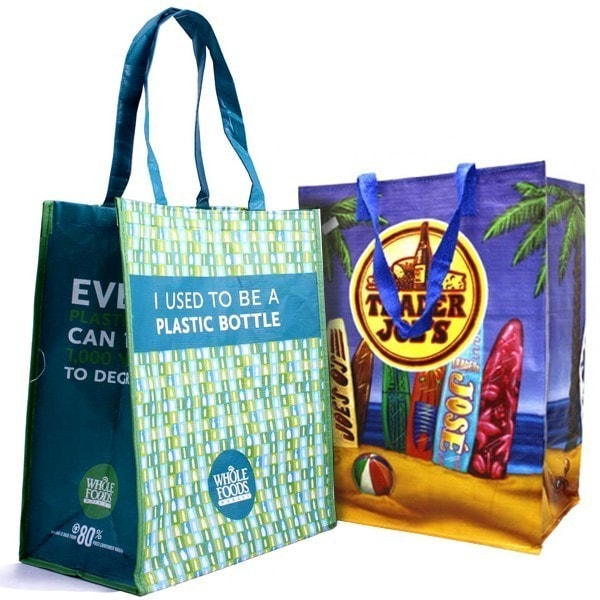
While a ban is not the sole solution to plastic pollution it is definitely a step in the right direction and will hopefully decrease the amount of plastic entering and floating into the aquatic ecosystems. Change needs to occur at both an individual level but also on the institutional level as well to encourage consumers to change their habits. Combining policy solutions with educational campaigns and community participation in cleanups will also aid in the significance of such a policy.
Below is an example questionnaire before the implementation of a plastic bag ban:
-how many plastic bags do you consume a week (on average)?
-Would you use a reusable bag if it was more affordable?
-Do you know any of the environmental consequences of plastic waste stream?
-Would you be open to a plastic bag ban?
-Would you be opposed to a ban, if so why?
-Do you use plastic bags out of necessity or convenience?
Below is an example questionnaire after ban (adapted from DEC):
-Since the ban has been in place have any public perceptions changed?
– Have you noticed any growing trends since the ban went into effect? (i.e. greater use of reusable bags, etc.)?
– Now that your (ban/fee) is in place, is there anything that you would change or suggest others to consider before enacting a ban or fee?
[1] http://longislandsoundstudy.net/about/our-mission/management-plan/floatable-debris/
[2] IBID
[3] https://www.ecowatch.com/australia-plastic-bag-ban-2622280343.html
[4] http://www.ncsl.org/research/environment-and-natural-resources/plastic-bag-legislation.aspx
[5] https://www.dec.ny.gov/docs/materials_minerals_pdf/dplasticbagreport2017.pdf
