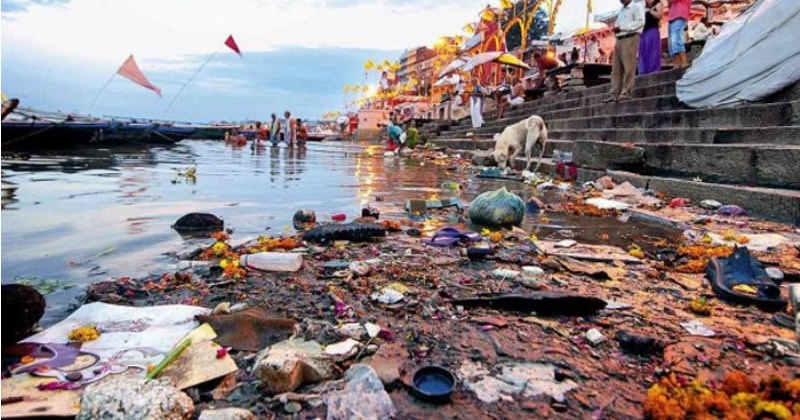
 My entrepreneurship idea and business is called P.O.W.U.R. (Protecting our waters using recycling). The problem my business is trying to solve has to do with the world’s plastic pollution issue. The ocean is riddled with plastics that do not biodegrade for millions of years. Not only does this cause many problems with marine life and ocean health it is also affecting the livelihood of fishermen in developing countries. These fishermen are gathering more plastic than they are gathering fish. However, our company isn’t going to the ocean to focus our efforts, we are going to the source of the pollution which is in the rivers which feed into the ocean. 10 rivers are the source of 90% of the plastic that ends up in our oceans[i]. Thus, my business will target the source of plastics, rivers, before it can enter the oceans. Not only are we recycling collected plastics, but we are also involving developing countries in our efforts to pull local communities up and help make a sustainable living while improving the lives of more even downstream.
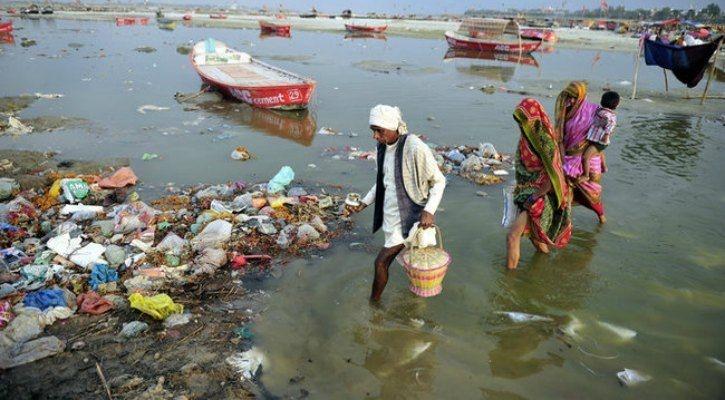
Specifically, my business will start in the Ganges river, the second largest river that contributes plastic. The Ganges river runs through India and Bangladesh and 1.2 billion pounds of plastic is dumped into the Ganges river each year[ii]. I chose to focus my innovation in the Ganges river because it serves as the lifeline for more than 500 million people across India. Furthermore, the river is also highly valued for intrinsic value as the river is India’s holiest river. Not only will my business hopefully economically benefit the people who rely on these rivers for a living but also positively benefit their cultural traditions and values as the river has historically been worshipped as the “Ganga Mata, the divine mother who has sustained life and nurtured civilization”. The product will bring life back to the river and sustain these thousand-year-old traditions and image of the Ganges River. Our business will ecologically improve the river and by removing the plastics from the aquatic habitats with the help of fisherman and their nets However, the business of collecting and recycling the plastic would also provide an economic aspect of the requirements for a sustainable solution. My business will be partnering up with the women empowerment agency of India to engage, train, and employ the women of these small communities as the men are often the ones who go out and fish. We will train the women how to sort the plastics and use our innovative machine that is able to turn any plastic despite its condition, into plastic confetti that can be used to make other products. Our plastic recycling differs from other recycling companies because the plastic we are targeting is in rivers which people and other companies have ignored and focused instead on the oceans. P.O.W.U.R. will be providing opportunities for women to earn an income through empowering them while cleaning up their treasured river. Though I do acknowledge that my business is a reactive solution to plastic pollution rather than a proactive solution, a proactive solution like taxing plastic bags or other cheap plastic products could negatively impact the poor who cannot afford these taxes or alternate products which are more expensive. India has been called the land of contradictions with its love-hate relationships with plastic. while some governments in India are pushing for the growth of the plastic industry other cities have banned ultra-thin plastic bags which has been difficult to enforce. Instead, existing recycling plastic companies only focus on the more lucrative plastics like shampoo bottles.[iii] Our business, collects all plastics regardless of this idea of being lucrative. In addition, besides the products we make, we also offer local households to bring their plastics to us which we will clean using our cleaning technology so that it can be resold to other plastic manufacturers for more money. In exchange for their plastic we will give them 3D printed bag holders so they don’t need to buy single use plastic carriers anymore.
Just as important as developing sustainable solutions are, ensuring that no further environmental pollution occurs during this process is just as important to my business. This is why our machinery and 3D printing stations  are powered by hydro power from the Ganges river. We believe in creating our products using sustainable energy sources. Regarding our feasibility of the business includes the cooperation and partnership with other NGOs and governmental agencies like the civil engineers of India. Our initial costs of building training centers and manufacturing facilities will be built using grant money and using recycled plastic material from the Civil engineers and other NGOs. While we have arising competitors who are recycling plastics, they only accept untainted plastics. However, we have the technology to recycle tainted or not tainted plastics. In addition, other water pollution groups are collecting ocean plastics and not river plastics which makes my company unique. Roadblocks for my business is the market that is needed to sell our 3D recycled plastic products if we want to make a profit. However, although the initial upfront costs of a 3D product may be more expensive than a single use product, in the long run it saves consumers money because they don’t have to constantly buy new single use products constantly. Furthermore, our products will also be transported into the main cities of India where they can be sold for more in more affluent areas.
Other potential roadblocks are the contaminants and toxins in the water that may make the river too dange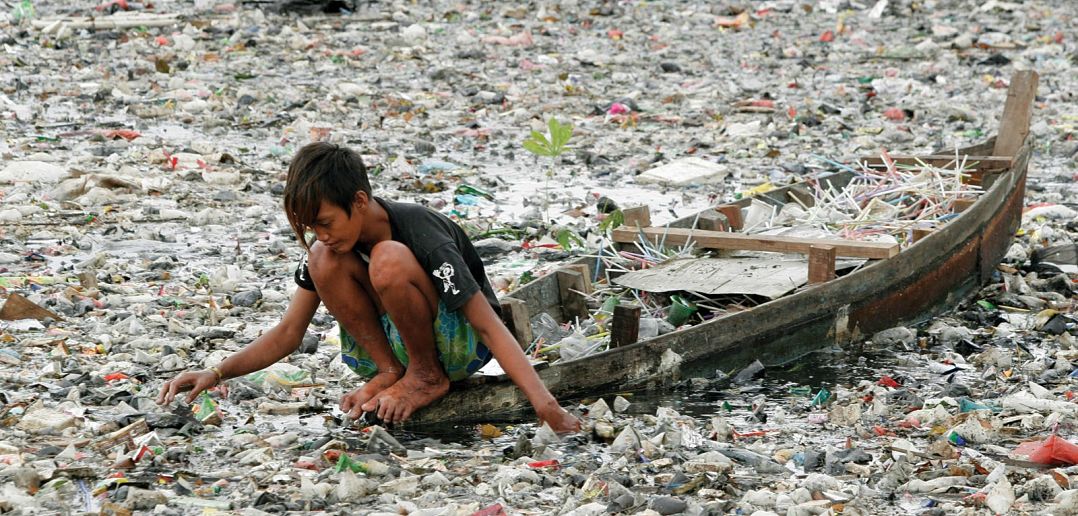 rous to go in and collect the plastics. Though the water quality has not stopped most fisherman and villagers to from going into the river.
My business and 3D products are sustainable because we are not only cleaning up the rivers but we are also providing jobs for women and income for struggling fisherman. Regarding our definition of sustainability, P.O.W.U.R. encourages the recycling of tainted materials and plastics and minimizes waste by using renewable energy sources to power our facilities, while protecting and restoring the health of the rivers by removing plastics. My business reduces pollution even further by making products that are meant to last for long periods of time compared to alternative single use items. In addition, my business promotes equitable opportunity for both women and men of these communities which is achieved with multiple partnerships and empowerment programs. We do not undermine people’s capacity to meet their own needs, rather we are helping fisherman make a living during these times where they can’t even catch enough fish. Further, women can now make a living adding to the potential household income. With increased income comes the increased ability to pay for health care and the ability to pay for education, thus my business is potentially elevating the standard for human well-being in these poor communities. Finally, though my entrepreneurial business is starting out in India and Bangladesh, we aim to expand across Asia and Africa where the other 9 plastic polluting rivers are located.
[i] https://nypost.com/2017/12/12/10-rivers-are-responsible-for-90-of-the-plastic-in-the-ocean/
[ii] https://www.bbc.com/news/av/world-asia-india-42559574/how-plastic-is-harming-india-s-holiest-river
[iii] https://www.forbes.com/sites/uhenergy/2018/03/12/plastics-recycling-could-the-future-be-in-india/#6633a7cc42e1
